Classroom Design: How to Create a Flexible, Effective Learning Environment
Market: Education

Classrooms have come a long way from rows of desks facing a chalkboard. Today, teachers may lead a whole-class lesson in the morning, guide small groups after lunch, and ask students to complete quiet independent work later in the day. And it all happens in the same room.
The best classroom design is the one supporting how students and teachers actually use the space. A flexible learning environment makes it easier to shift between activities without losing valuable instructional time. Classroom design is officially in session—read on for practical ideas to define learning zones, minimize distractions, and make your space easier to adapt.
What Is Classroom Design?
Classroom design is the intentional planning of the physical learning environment. It includes desks, chairs, storage, and décor, but it goes well beyond choosing furniture or creating an appealing theme.
Effective classroom design considers:
-
- How students move through the room
- Where different activities take place
- How teachers supervise students
- How sound travels
- How distractions are managed
- How easily the space can change
- How students interact with one another
Each choice affects how the classroom functions. A reading corner beside a busy doorway may look inviting but offer little quiet, while a small-group table behind tall shelving may make supervision difficult. Good design balances comfort, visibility, movement, and flexibility.
What Makes an Effective Classroom Design?
An effective classroom can support different learning needs without requiring a complete reset between every activity. Several principles help make this possible.
Design for Different Learning Activities
Whole-class instruction, group projects, testing, and independent study require different levels of interaction and focus. Plan for how the room can shift as activities change.
Create Flexible Learning Zones
Zones give different parts of the classroom a clear purpose. A room might include areas for collaboration, reading, instruction, testing, intervention, and quiet work. Furniture, rugs, shelving, or portable classroom dividers can define each area without making it permanent.
Make Movement Easy
Keep frequently used materials accessible and maintain clear paths between desks, doors, storage, and activity areas. Lightweight or mobile furniture can also make transitions faster and less disruptive.
Minimize Visual Distractions
Student work and instructional displays can make a classroom welcoming, but every wall does not need to be covered. Curated displays, consistent organization, and visual breathing room can help students direct their attention.
Consider Classroom Acoustics
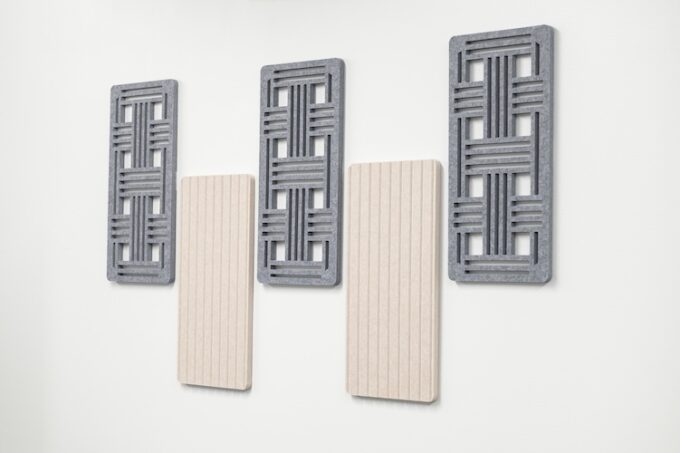
Hard floors, walls, windows, and ceilings can allow sound to reflect around a room. The resulting reverberation may make speech harder to understand, especially when several activities happen at once. Sound-absorbing materials and thoughtful separation can help manage noise and support concentration, though they will not make an area completely soundproof.
Maintain Teacher Visibility
Defined spaces should not create unnecessary blind spots. Divider and furniture heights matter: a four-foot partition, for example, can give seated students a sense of separation while allowing a standing teacher to maintain sightlines across the room.
Give Students Purposeful Choices
Some students work best at a group table, while others need a quieter place with fewer distractions. A few purposeful options can help students choose a setting suited to the task.
Design for Change
Class sizes, teaching methods, and student needs evolve. A classroom built around movable, multipurpose elements is easier to adjust from one lesson, semester, or school year to the next.
8 Classroom Design Ideas to Create a More Flexible Learning Space
These practical classroom design ideas can help teachers create purposeful learning zones, reduce distractions, and adapt their space for different activities throughout the day.
1. Create a Dedicated Small-Group Area
Set aside part of the classroom for intervention, guided reading, or project work. A portable partition can define the area without closing it off permanently. When group instruction ends, the divider can be folded or moved to reopen the room.
2. Add a Quiet Reading or Independent-Work Zone
Choose a lower-traffic corner and use bookcases, study pods, or partitions to limit movement and visual distractions. Comfortable seating and accessible supplies can support reading, reflection, or individual assignments.
3. Design a Designated Testing Area
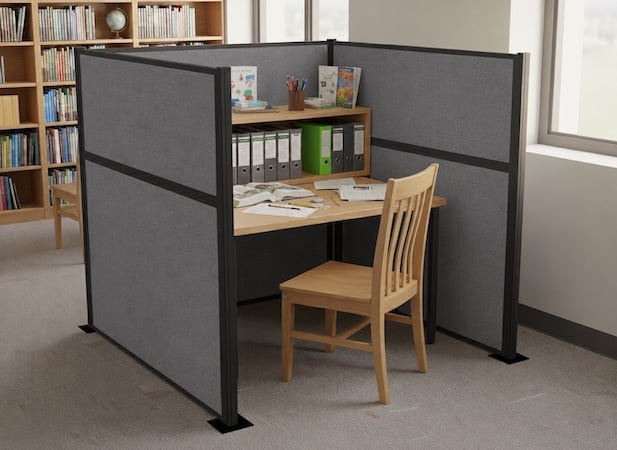
A testing space can help students concentrate and provide greater visual privacy. Individual study pods work well for shorter assessments, while portable dividers can create a larger testing zone when several students need a quieter setting.
4. Use Movable Furniture
Tables on casters, stackable chairs, mobile storage, and lightweight desks make reconfiguration more practical. Select pieces teachers and students can safely move, and leave enough open space to reposition them.
5. Create Collaborative Zones
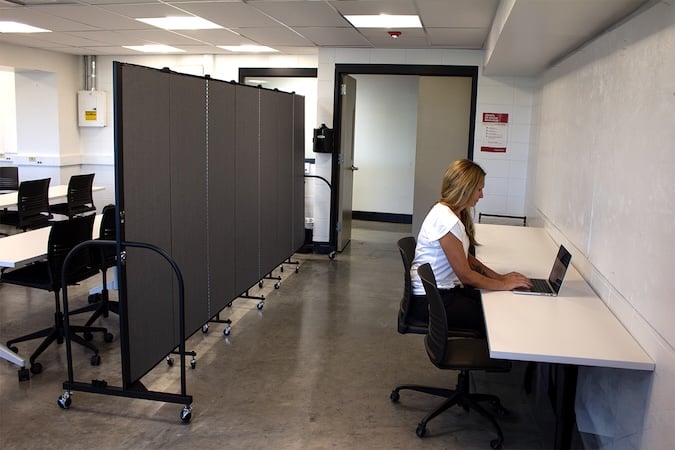
Group tables and movable seating make it easier for students to share materials and ideas. When several groups are working at once, temporary partitions can establish clearer boundaries and reduce visual overlap without eliminating collaboration.
6. Use Walls as Learning Surfaces
Vertical space can do more than display decorations. Tackable surfaces can hold student work, reference materials, or project plans, while dry-erase surfaces support demonstrations, brainstorming, and practice. These options can add usable learning space while also defining an activity zone.
7. Make Use of Overlooked Space
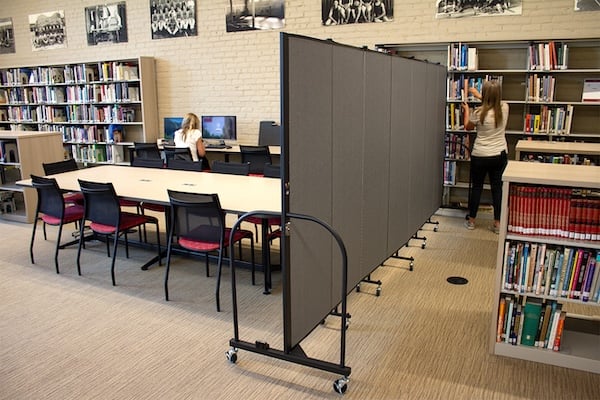
Corners, alcoves, and underused sections of oversized rooms can become valuable learning areas. The same approach can help schools get more from libraries, cafeterias, and multipurpose rooms by creating temporary classrooms, tutoring areas, or breakout spaces when needed.
8. Make the Classroom Reconfigurable
A classroom should not be locked into one permanent layout. Choose elements that can serve more than one purpose and establish a simple process for changing the room. A divider might define a reading area one day, support testing the next, and display student work for an open house.
How Room Dividers Can Improve Classroom Design
Portable classroom dividers add structure without permanent construction. They can separate a focus area in a smaller classroom or divide libraries, shared classrooms, and multipurpose rooms into purposeful zones. Study pods provide more individual separation for testing, reading, and independent work.
The fabric-covered panels (in both the pods and dividers) can help absorb reflected sound and reduce reverberation, while visual boundaries limit distractions. Different heights balance separation with teacher sightlines, and mobile designs adapt easily to changing activities and group sizes.
Turning Design Concepts into Classroom Reality
An effective classroom is not defined by a single furniture arrangement. It is an adaptable environment that can meet students where they are, whether they need quiet focus, direct support, or active collaboration.
Planning the layout is the first step. Choosing versatile tools makes the plan work in a busy classroom. Screenflex products help bridge the gap between an ideal layout and daily functionality with flexible separation, sound absorption, display space, and easy reconfiguration.
Ready to put your plan in motion? Explore Screenflex classroom solutions or connect with our experts for a free design plan and quote tailored to your space.